

Outdoor Patio Design, A Professional Guide
A well planned outdoor patio design transforms your yard into a true outdoor room, a place for everyday living, entertaining, and quiet recharge. This guide explains the decisions that matter most, from site planning and materials to lighting, safety, and maintenance, so you can create a patio that looks beautiful, works hard, and lasts.
Start With Purpose, Then Map the Site
Begin with how you will use the space: dining, lounging, cooking, fire feature, or all of the above. Walk the site at different times of day to note sun and shade, wind patterns, privacy views, and how people naturally move from the house to the yard. Place cooking near the kitchen for easy service, keep lounging away from high traffic paths, and use planting or screens for privacy where neighbors have direct sightlines.
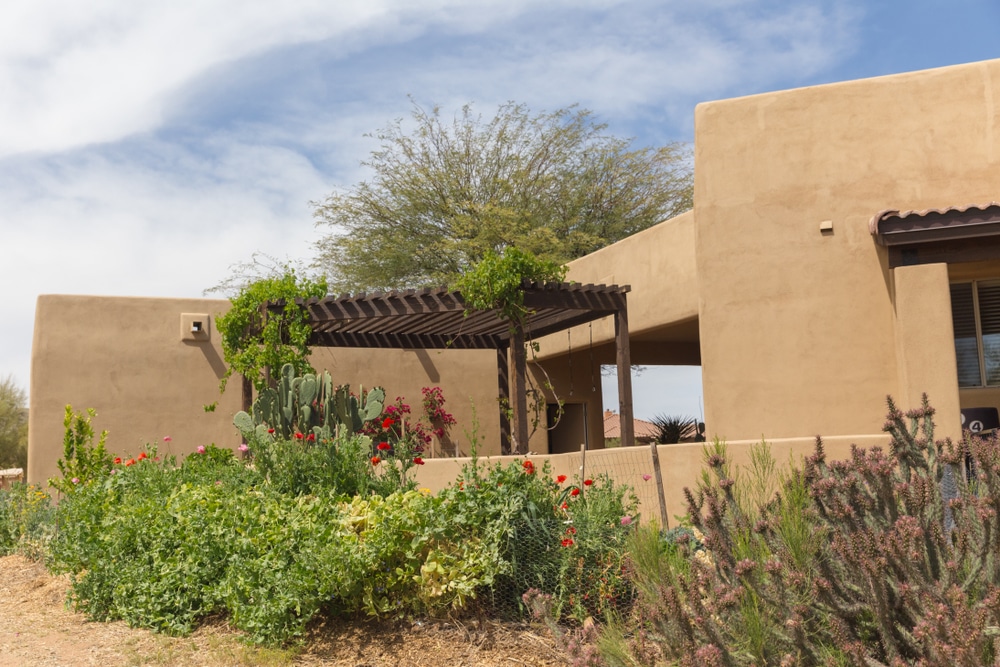
For inspiration, explore our recent outdoor living projects and see how thoughtful planning creates functional, welcoming spaces.
Right-Sizing Your Zones, Circulation, and Clearances
Give each activity its own “zone,” then connect zones with clear walking paths. As a rule of thumb, plan at least 36 inches for primary walkways, 24 inches around dining chairs when pulled back, and a minimum of 18 inches between a coffee table and seating. Leave generous room around grills and fire features for safety and comfort.
Choose Materials That Fit Climate, Lifestyle, and Budget
Concrete pavers, natural stone, poured concrete, porcelain pavers, and composite decking each offer different looks, maintenance needs, and price points. For family friendly surfaces, prioritize slip resistance, colorfastness, and materials that can be repaired in small sections without tearing up the whole patio. You can learn more in our hardscape materials guide.
Drainage and Permeable Options Reduce Runoff, Improve Longevity
A patio is only as durable as its drainage. Slight slopes, well designed subbases, and permeable systems prevent puddling and frost damage. The EPA explains that permeable pavements, such as pervious concrete, porous asphalt, or interlocking permeable pavers, allow water to infiltrate, which helps reduce runoff volume and filter pollutants.
Build on the Right Base, Lock It In With Edge Restraints
Patios fail when the base is thin or poorly compacted. Follow industry specifications for excavating to stable subgrade, placing and compacting the base in lifts, and installing proper edge restraints to keep units interlocked. The Concrete Masonry and Hardscapes Association provides technical guidance for base depth and bedding layers. For details on how we apply these standards, see our paver installation services.
Climate-Smart Planting and Shade Strategy
Patios feel cooler and more inviting with trees, pergolas, or shade sails placed to block harsh afternoon sun while preserving winter light. Choosing plants suited to your local climate zone reduces water and maintenance needs. The USDA Plant Hardiness Zone Map, updated in 2023, is the standard for selecting perennials that thrive in your region.
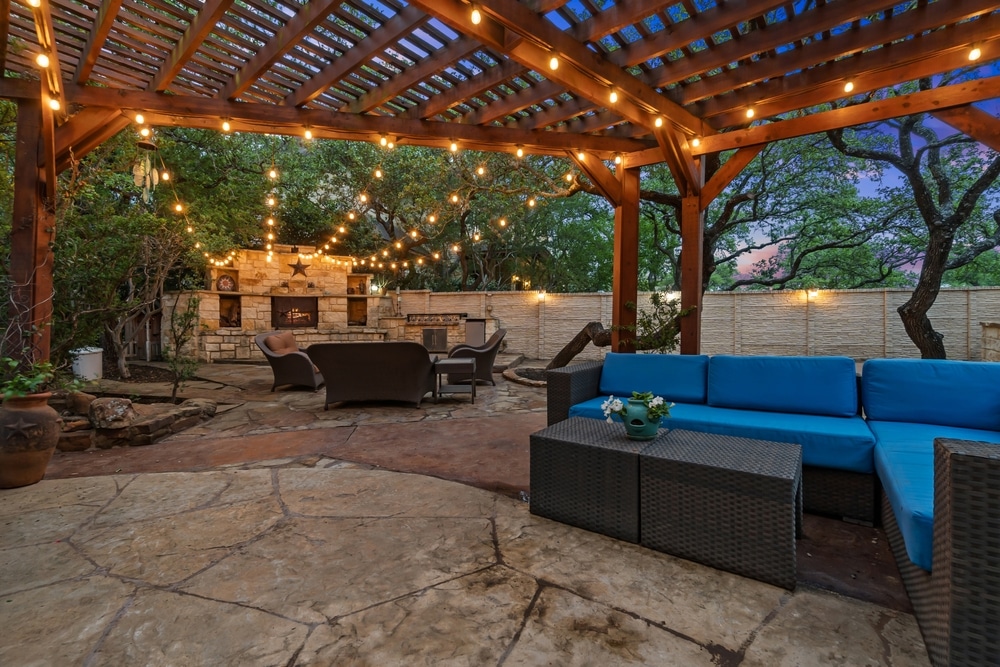
Layered Lighting for Safety and Mood
Plan three layers: path and step lighting for safety, task lighting near grills and prep areas, and ambient lighting for dining and conversation. Favor shielded, low glare fixtures and warm LEDs for comfortable evenings. Put zones on separate switches or dimmers for precise control.
Fire Features and Outdoor Kitchens, Design for Safety and Code
Create safe distances from structures, overhead branches, and property lines. Follow manufacturer instructions and local code, and respect clearances for ventilation and combustion. The National Fire Protection Association provides guidelines that reduce wildfire risk and keep gatherings safe. Explore our custom fire pit and outdoor kitchen builds to see how safety and style come together.
Furnishings, Textiles, and Flow
Scale furniture to your plan so pathways stay clear and seating feels intimate, not cramped. Consider modular sectionals that reconfigure for different gatherings, durable performance fabrics, and storage for cushions during wet or windy seasons.
Budget, Phasing, and Measurable Value
Break the project into phases: build the base patio first, then add shade, kitchen, and planting, so you can enjoy the space sooner while working toward the full vision. According to the National Association of Realtors’ Remodeling Impact Report, outdoor improvements consistently deliver high homeowner satisfaction and meaningful cost recovery. When you are ready, start planning with a design consultation.
Maintenance Plan, Protect Your Investment
Sweep and rinse regularly to remove debris that traps moisture, schedule seasonal checks for joints and edges, and reseal materials that require it on the recommended cadence. For permeable systems, vacuum or gently pressure wash to keep voids open. As the EPA notes, proper maintenance preserves permeability and stormwater performance.
Contact Us for Expert Outdoor Living Solutions
Ready to transform your backyard into a luxurious, year-round retreat? Our team of landscape design experts is here to help. Whether you’re looking for custom outdoor kitchens, fire pit installations, patio upgrades, or drought-friendly landscaping, we offer tailored solutions to meet your needs.
Contact us today to schedule a consultation and start designing the outdoor space of your dreams!
info@CenturyBayLandscaping.com
+18883339870
License : 1131051